

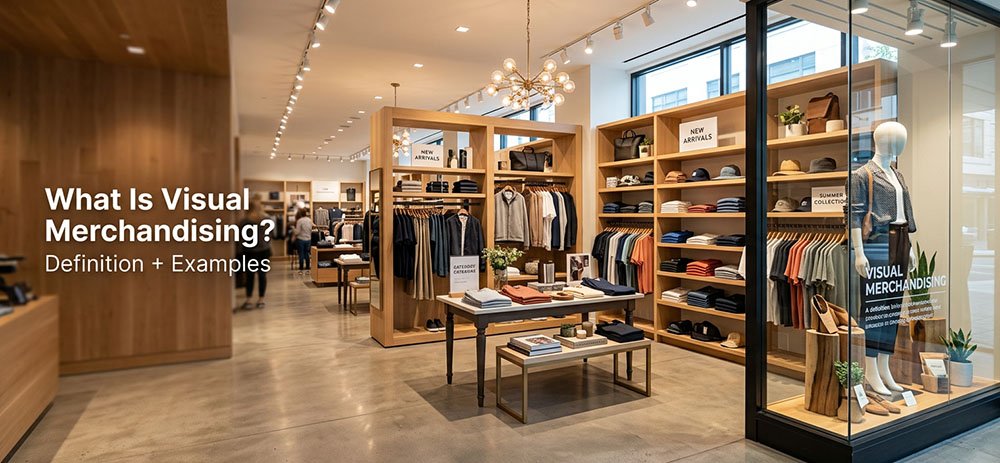
If you’ve ever walked into a store and immediately felt drawn to a product display, you’ve experienced what is visual merchandising in action.
At its core, retail visual merchandising is the strategic presentation of products within a store to enhance product presentation, improve the store layout, and guide customer flow. It combines store display design, signage, lighting, and product placement to create compelling visual merchandising displays that influence buying decisions.
Understanding why is visual merchandising important begins with recognizing its role in shaping the overall brand experience. From a striking window display to carefully planned shelf layouts and planograms, visual merchandising elements work together to turn retail spaces into conversion-driven environments.
In this guide, we’ll explore the definition, real visual merchandising examples, key visual merchandising elements, and how brands use them to increase engagement and sales.
What Is Visual Merchandising in Retail?
So, what is visual merchandising in practical terms?
Visual merchandising is the art and science of designing retail displays and organizing physical retail spaces to highlight products in the most appealing and strategic way. It involves:
- Strategic store layout planning
- Optimized product grouping
- Clear and persuasive signage
- Effective lighting
- Structured shelf layout guided by a planogram
Unlike simple decoration, retail visual merchandising is data-informed and conversion-focused. Every visual merchandising display is created to attract attention, establish focal points, and encourage purchase decisions.
Brands that invest in professional visual merchandising services often see improved in-store engagement and stronger sales performance.
➡️ Learn more about professional solutions here: https://dtl-merchandising.com/visual-merchandising/
Why Is Visual Merchandising Important for Retail Success?
Many retailers ask, why is visual merchandising important when they already have great products?
Because even strong products need strategic presentation.
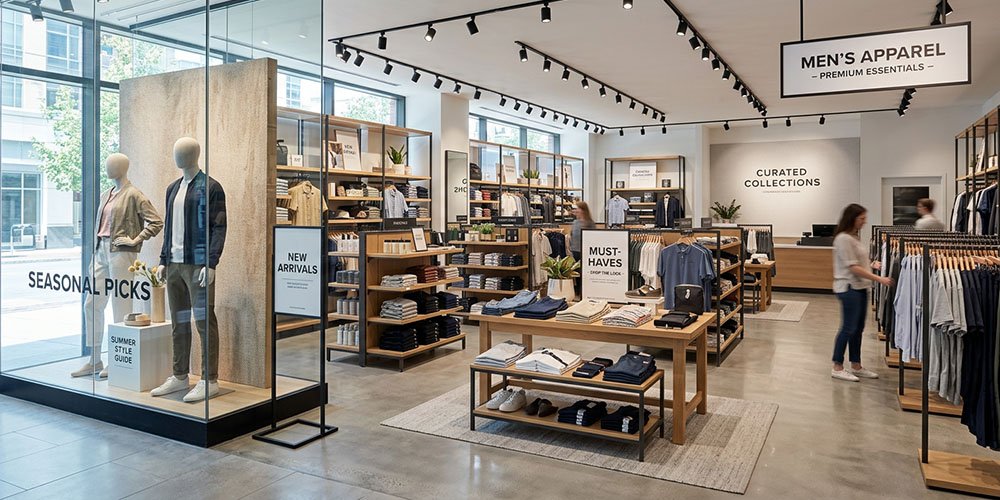
Effective store display design:
- Improves customer flow
- Highlights key focal points
- Increases time spent in-store
- Encourages impulse purchases via endcap displays
- Reinforces consistent in store branding
When retail fixtures, shelf positioning, and display units are aligned with brand strategy, the store becomes more than a shopping location — it becomes an immersive brand environment.
Strong visual merchandising displays also integrate seamlessly with broader retail merchandise solutions to support product launches and seasonal campaigns.
➡️ Explore retail support services: https://dtl-merchandising.com/retail-merchandise/
Key Visual Merchandising Elements That Drive Sales
Understanding the core visual merchandising elements is essential for creating impactful retail environments.
Store Layout and Customer Flow
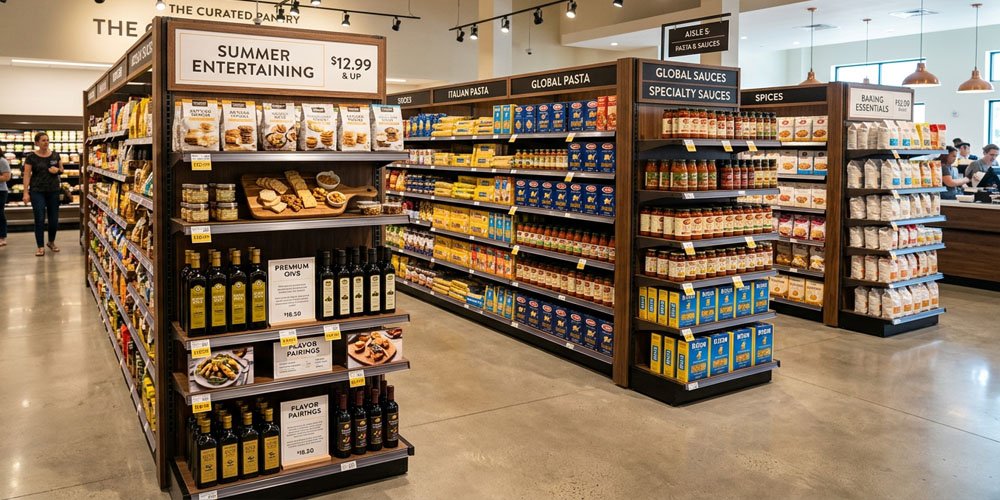
A smart store layout guides shoppers naturally through the space. It ensures high-priority items receive visibility while maintaining smooth customer flow.
Planograms and shelf mapping help structure the shelf layout for optimal product discoverability.
Product Presentation and Grouping
Strategic product presentation enhances perceived value. Techniques include:
- Logical product grouping
- Highlighting complementary items
- Cross-merchandising tactics
Well-designed retail displays help tell a product story rather than simply showing inventory.
Window Displays and Focal Points
The window display acts as the store’s first impression. Strong focal points draw attention and entice customers inside.
Seasonal themes, bold signage, and dramatic lighting are commonly used to maximize impact.
Retail Fixtures and Lighting
Quality retail fixtures and thoughtful lighting influence how products are perceived. Bright lighting can highlight premium products, while warmer tones may enhance brand storytelling.
For promotional campaigns, brands often combine POSM displays with visual merchandising strategies.
➡️ Learn about POSM solutions: https://dtl-merchandising.com/point-of-sale-materials-posm/
Real Visual Merchandising Examples in Action
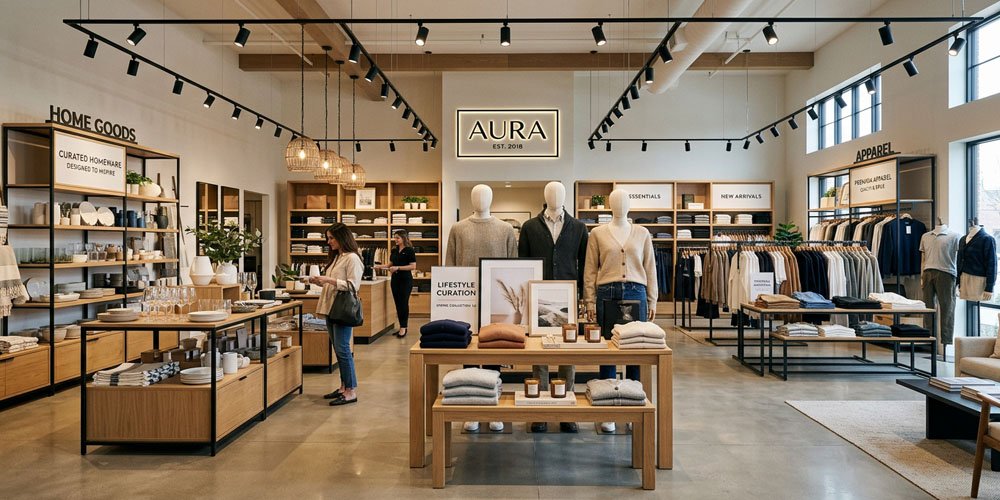
Let’s look at practical visual merchandising examples across retail environments.
1. Endcap Displays for Promotions
Placed at aisle ends, endcaps highlight promotions and increase visibility.
2. Themed Window Displays
Used for seasonal campaigns to reinforce storytelling and brand identity.
3. Interactive Retail Displays
Modern brands integrate digital merchandising to create interactive displays, blending physical retail with digital engagement.
🔗 Explore digital innovation: https://dtl-merchandising.com/digital-merchandising/
4. Planogram-Driven Shelf Layouts
Structured shelf layouts ensure consistency across multiple store locations.
These examples show how retail visual merchandising goes beyond aesthetics — it’s a measurable sales strategy.
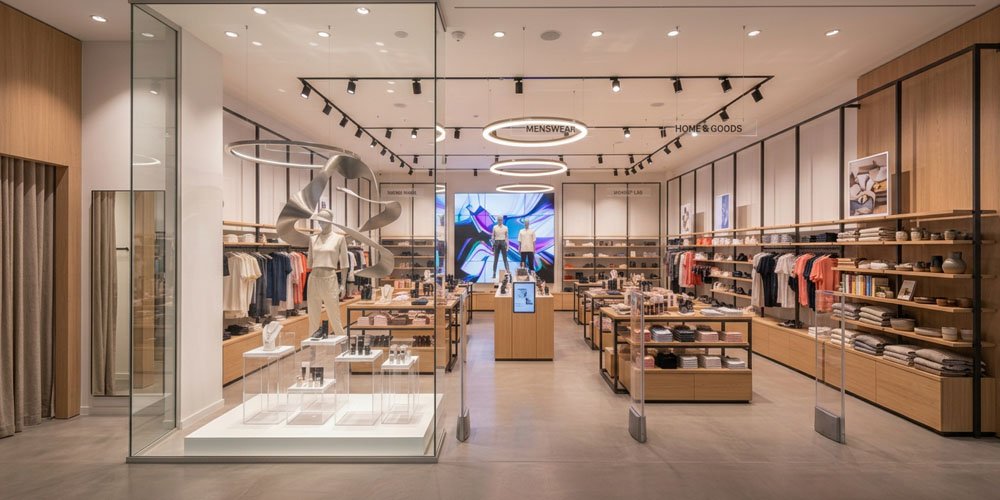
How Visual Merchandising Supports Brand Growth
Strong visual merchandising displays reinforce brand positioning while increasing product visibility.
When aligned with broader retail merchandise solutions, POSM, and digital campaigns, merchandising becomes a strategic growth driver — not just decoration.
Professional visual merchandising services ensure that every element — from store display design to shelf layout — works cohesively to enhance the customer journey.
FAQ
What is visual merchandising in simple terms?
Visual merchandising is the strategic design and arrangement of retail spaces and product displays to improve presentation, attract customers, and increase sales.
Why is visual merchandising important for retailers?
Visual merchandising improves customer flow, enhances product visibility, strengthens brand experience, and increases conversion rates in physical stores.
What are examples of visual merchandising?
Examples include window displays, endcap displays, planogram-based shelf layouts, retail fixtures, signage, and seasonal store display design.
What are the key visual merchandising elements?
Core elements include store layout, product presentation, lighting, signage, focal points, retail fixtures, and customer flow optimization.
How does digital merchandising support visual merchandising?
Digital merchandising integrates interactive displays, QR-enabled promotions, and technology-driven retail displays to enhance engagement and modernize in-store experiences.